

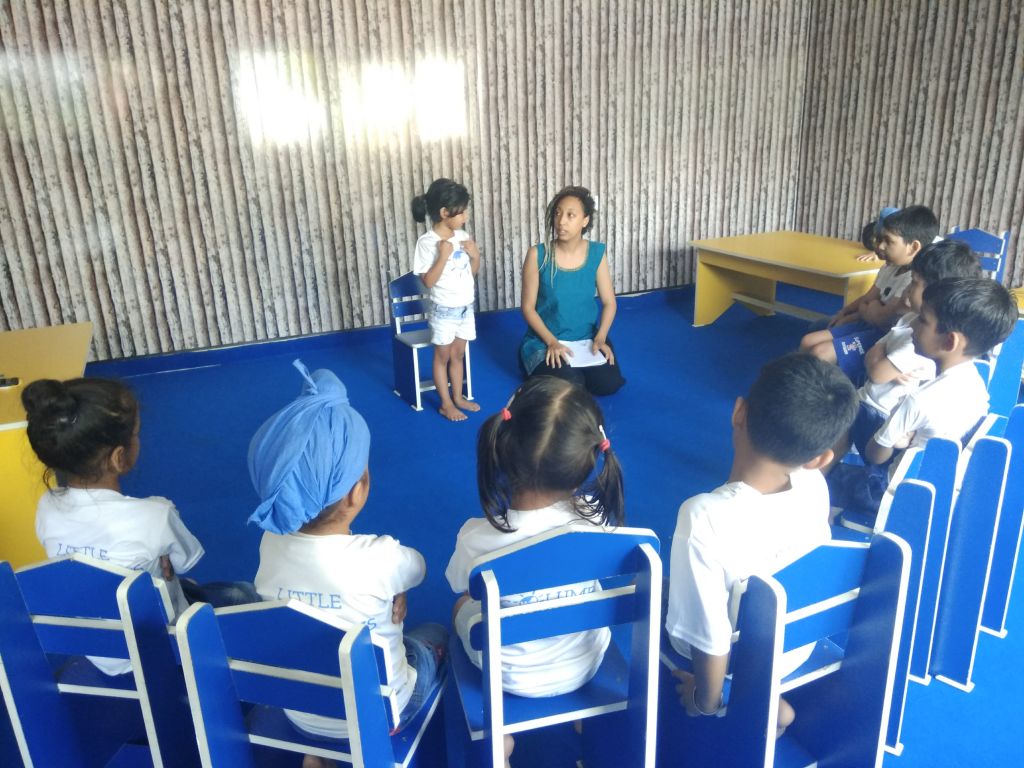
Class size plays a crucial role in shaping a child’s education. While large classrooms can be filled with energy and diversity, small classrooms offer distinct advantages that significantly enhance learning, engagement, and personal development. Schools that prioritize smaller class sizes provide children with a more personalized, focused, and supportive environment where they can thrive academically and socially.
1. Individual Attention and Personalized Learning
One of the biggest benefits of a small classroom is the ability for teachers to give each student more individual attention. In a smaller setting, educators can identify each child’s strengths, weaknesses, and learning styles more effectively. This allows them to tailor lessons, provide extra support when needed, and challenge students at their own pace.
With fewer students to manage, teachers can also monitor progress more closely and intervene early if a child struggles with a concept. This level of personalized instruction ensures that no student feels left behind or overlooked.
2. Stronger Teacher-Student Relationships
In a small classroom, teachers and students develop closer relationships built on trust and understanding. When students feel known and valued, they are more likely to participate, ask questions, and take academic risks without fear of judgment. This leads to higher engagement, motivation, and confidence in their abilities.
Teachers, in turn, can better support students emotionally and socially, creating a learning environment that feels safe and encouraging. A strong teacher-student bond fosters a love for learning and a positive school experience.
3. More Classroom Participation and Confidence
In large classrooms, it’s easy for some students to fade into the background, either due to shyness or lack of opportunities to speak up. In contrast, smaller class sizes encourage active participation. Each student has more chances to contribute to discussions, ask questions, and express their thoughts.
This frequent interaction helps build confidence in communication and critical thinking. Children become more comfortable sharing their ideas, which is an essential skill for future academic and career success.
4. Better Peer Relationships and Social Skills
Smaller classrooms create a close-knit learning community where students get to know each other well. This leads to stronger friendships, better teamwork, and a sense of belonging. In such an environment, children learn to collaborate, resolve conflicts, and support one another in ways that are harder to achieve in large groups.
With fewer students, teachers can also spend more time guiding social interactions, helping children develop empathy, respect, and problem-solving skills in their peer relationships.
5. Fewer Disruptions and a More Focused Learning Environment
Managing a large classroom often comes with challenges like noise, distractions, and behavioral issues that can take away from instructional time. In a smaller setting, it’s easier to maintain focus and ensure that lessons run smoothly.
With fewer students, teachers can address behavioral concerns quickly, keep students engaged, and create a structured, yet flexible learning atmosphere. This leads to better concentration, deeper discussions, and a more productive classroom overall.
6. Higher Academic Performance
Research consistently shows that students in small classrooms tend to perform better academically. With more direct teacher support, greater engagement, and fewer distractions, children grasp concepts more effectively and retain information longer.
Smaller classes also allow for more hands-on learning, interactive projects, and in-depth discussions, all of which contribute to a richer educational experience. Students often develop stronger critical thinking and problem-solving skills, preparing them for future academic success.
7. A Supportive and Nurturing Environment
For younger children especially, school is not just about academics—it’s also about feeling safe, supported, and happy. A small classroom creates a warm, family-like environment where students feel comfortable expressing themselves, asking for help, and developing at their own pace.
This sense of security and belonging enhances emotional well-being, making learning a positive and enjoyable experience. When children feel cared for, they are more likely to develop a lifelong love for learning.
Conclusion
Small classrooms provide a powerful advantage in education by offering personalized instruction, stronger relationships, increased participation, and a more focused learning environment. While larger schools may have their own benefits, small class sizes create an intimate and supportive setting where children can grow academically, socially, and emotionally.
By prioritizing small classrooms, schools give students the best chance to succeed—not just in school, but in life.
 Little Columbus School