

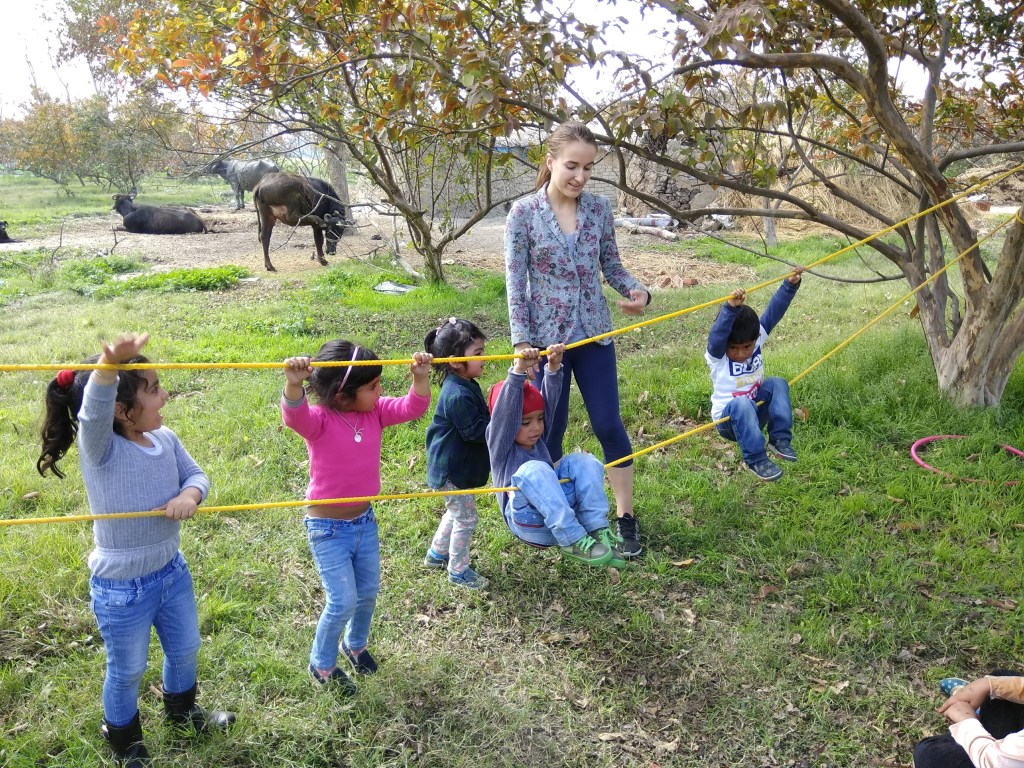
In today’s fast-paced world, children are spending more time indoors than ever before. Screen time is increasing, structured activities dominate schedules, and the natural world often feels like a distant escape rather than a daily experience. But what if the best learning environment wasn’t inside four walls, but outside in the open air? This is the philosophy of forest kindergartens, where nature itself becomes the classroom, guiding children through hands-on exploration, creativity, and problem-solving.
Nature Sparks Curiosity and Independence
When children play and learn outdoors, they engage all their senses, experiencing the world in a way that no textbook or screen can replicate. A fallen tree isn’t just an obstacle—it’s an opportunity for balance and strength. A puddle isn’t just water—it’s a chance to observe ripples, test depth, and experience cause and effect. Nature encourages curiosity, prompting children to ask questions, experiment, and make discoveries on their own terms.
In forest-based education, children are encouraged to take calculated risks—climbing trees, jumping across rocks, and exploring unfamiliar trails. These experiences build resilience and confidence, teaching them how to assess situations and make decisions independently. They learn that challenges can be overcome, and that failure is simply a step toward success.
Problem-Solving in an Ever-Changing Environment
Unlike indoor play areas with fixed structures, nature is unpredictable and constantly changing. Weather shifts, landscapes transform, and new discoveries appear each day. This dynamic environment teaches children adaptability and critical thinking. When a path is blocked by a fallen branch, they must decide: Do they go around it? Climb over it? Work together to move it? These real-world problem-solving skills lay the foundation for a lifetime of resourcefulness.
Outdoor learning also fosters collaboration. Whether building shelters from sticks, navigating trails, or working together to solve a nature-based puzzle, children develop teamwork and communication skills naturally. The absence of rigid instructions encourages creative solutions, allowing each child’s unique strengths to shine.
Physical and Emotional Well-Being
Spending time outdoors isn’t just good for the mind—it’s essential for the body. Running, climbing, digging, and jumping improve motor skills, coordination, and overall physical health. Fresh air and sunlight boost mood and energy, while exposure to nature has been proven to reduce stress and anxiety in children.
Beyond the physical benefits, nature offers a sense of peace and connection. Children develop an appreciation for the environment, learning to respect and protect the world around them. This early bond with nature fosters a lifelong sense of responsibility for the planet, instilling values of sustainability and environmental stewardship.
Bringing Nature into Everyday Learning
While not every child has access to a forest kindergarten, outdoor learning can be integrated into any school or home environment. Simple activities like outdoor storytelling, nature scavenger hunts, or unstructured free play in a park can provide many of the same benefits. The key is to encourage exploration, curiosity, and a sense of wonder in the natural world.
At its core, outdoor learning is about giving children the freedom to explore, create, and grow in a setting that nurtures both their minds and bodies. Nature isn’t just a place to visit—it’s a teacher, a playground, and a home for endless discoveries. When we embrace outdoor education, we give children the greatest gift of all: the joy of learning through experience.
 Little Columbus School